Biometrics Institute addresses facial recognition governance and public trust
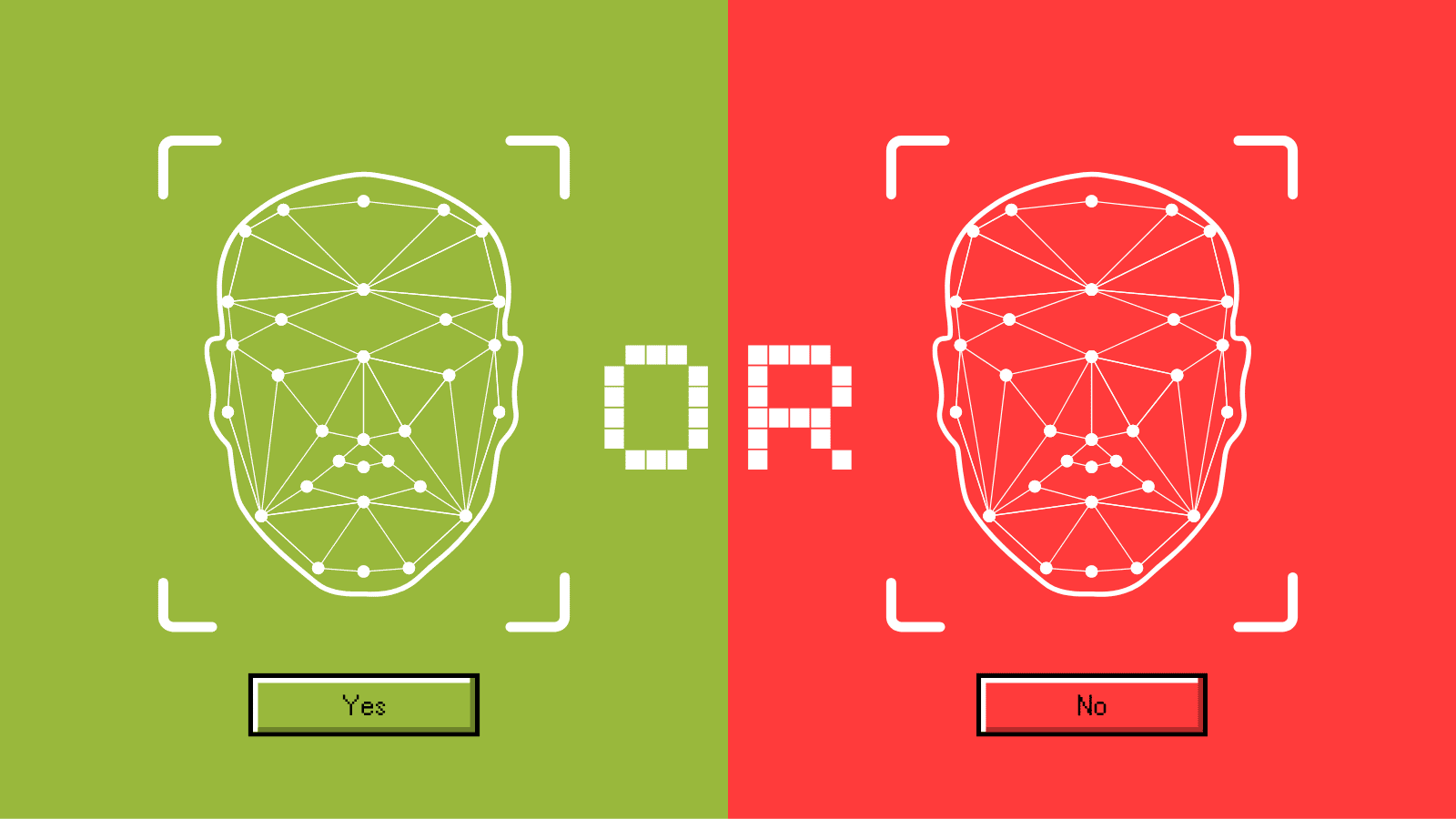
Tackling the most common issues surrounding facial recognition technology head-on, the Biometrics Institute recently hosted its latest On the Pulse Conversation, To FRT or Not to FRT – How to Decide? The session was underpinned by the Institute’s newly released guidance, Facial Recognition Technology (FRT) in Public Places: Key Questions Before You Start. This resource is designed to help organisations make a definitive ‘go/no-go’ decision at before starting a project, ensuring a strict evaluation of policy and procedural issues before technical specifications are even considered.
This conversation comes as FRT continues to dominate headlines and popular media, while public concerns regarding data protection and deepfakes remain high. Despite rapid advancements in regulatory frameworks, international standards, and testing methods – such as Presentation Attack Detection (PAD) and liveness testing – organisations face a complex legal landscape. Concurrently, some regulators are placing an unprecedented emphasis on the need to provide clear notice and obtain meaningful consent when biometric data is collected.
Policy and process before technology
A central theme of the international discussion was the need to get implementation right from the very beginning. Grounded in the Institute’s Three Laws of Biometrics, industry experts reiterated that technical capabilities must never outpace policy, governance, and ethics.
To support users in this endeavour, the Institute highlighted its comprehensive FRT Use Case Matrix alongside a standardised Biometrics in Use Sign, aimed at assisting organisations with public notification requirements. These tools complement the overarching Biometrics Institute Good Practice Framework, creating a structured pathway to evaluate the feasibility, effectiveness and ethics of biometric projects before significant resources are committed.
While the meeting was held under Chatham House Rule, members who were presenting were keen to voice their thinking on the responsible use of biometrics and related technologies publicly to support the Institute’s mission.
Andy Nicholls, Industry Lead for Public Safety & Justice at NEC Australia, who have been members for 20 years, noted that balance is vital for the acceptance of public-facing programmes:
For the use of Live FRT (LFRT) in law enforcement, it is important to deliver improved safety by maintaining public trust. If policing outcomes and public legitimacy don’t rise together, then neither of them is going to last. You need a high level of public support, clear policing objectives with purpose limitation, and demonstrable effectiveness backed by robust operating processes and governance.
Paul Hulford, CEO of Attain Insight, who joined the Institute last year, emphasised this strategic ordering:
The debate tends to be framed as a choice between public safety, commercial interests, and privacy. The more important question is how organisations can deploy FRT responsibly and preferably with a focus on transparency and maintaining public trust. This aligns well with the Biometrics Institute’s approach of asking the right questions around governance and ethics before technology deployment –namely, what problem you are trying to solve and whether FRT is proportionate to the risk.
Shifting the narrative from “Can we” to “Should we”
The meeting emphasised the importance of educating both the public and regulators on the functional nuances of biometrics. The Institute’s latest explanatory video, Not all Facial Recognition is Surveillance, helps clarify how the technology works in practice, providing the facts needed to foster a more informed narrative and a clearer understanding of responsible use. Experts also warned that the rise of Generative AI and deepfakes makes data safeguarding more urgent than ever.
Daniyal Chughtai, CTO of Facia, who became members in 2024, raised concerns over the current state of public data:
There is a paradigm shift in the discussions around biometrics from a focus on performance and accuracy to questions around whether the use of biometrics is safe, ethical, and for the public good. Individuals need to learn to better safeguard their data and not just leave it on the ‘social media tourist bus.’ Governments also need to regulate better, as seen with the recent introductions of social media bans.
Managing the reality of error rates and redress
A key point of agreement among the expert speakers and panellists was the need for real-world accountability, particularly concerning the fact that no biometric system is 100% accurate. Mature organisations should demonstrate how their systems perform under operational field conditions.
John J. Howard, Founder and CEO of Sensus AI, the newest Institute member, stressed the necessity of operational testing and contingency planning:
I am often asked whether FRT is going to work. The answer is almost always: ‘sometimes.’ The more important questions are how often it will work in the actual deployment environment, what causes it to fail, and what controls are in place when errors happen. Benchmark testing is valuable, but it is not a substitute for real-world operational evidence, and that is increasingly what regulators and the public expect.
The panel also explored the operational differences between policing and commercial retail environments. While law enforcement agencies possess secondary biometrics (like mobile fingerprinting) and legal powers to confirm identity following an indicative match, retailers do not. Panellists noted that the true yardstick of success for any organisation deploying FRT is its redress process and how it manages mistakes, avoids false accusations, and maintains transparency through clear signage when a system fails.
Looking ahead, the Biometrics Institute will explore how these tools may be applicable to other biometrics and use cases. As the technology landscape evolves, these versatile tools will ensure organisations globally can seamlessly balance innovation with ethical responsibility.
ENDS.
About the Biometrics Institute:
The Biometrics Institute is the independent and impartial international membership organisation for biometric users and other interested parties. It was established in 2001 to promote the responsible, ethical and effective use of biometrics. It has offices in London and Sydney.
The Institute represents a global and diverse multi-stakeholder community of over 200 membership organisations from 43 countries. While a large proportion of the members are from government, other members include banks, airlines, biometric experts, privacy experts, suppliers, academics and 20 Observers representing United Nations agencies, IGOs and European Union institution.
The Biometrics Institute connects the global biometrics community. It shares knowledge with its members and key stakeholders and most importantly, develops good practices and thought leadership for the responsible, ethical and effective use of biometrics.
For more information, please email Marco Lombardi.